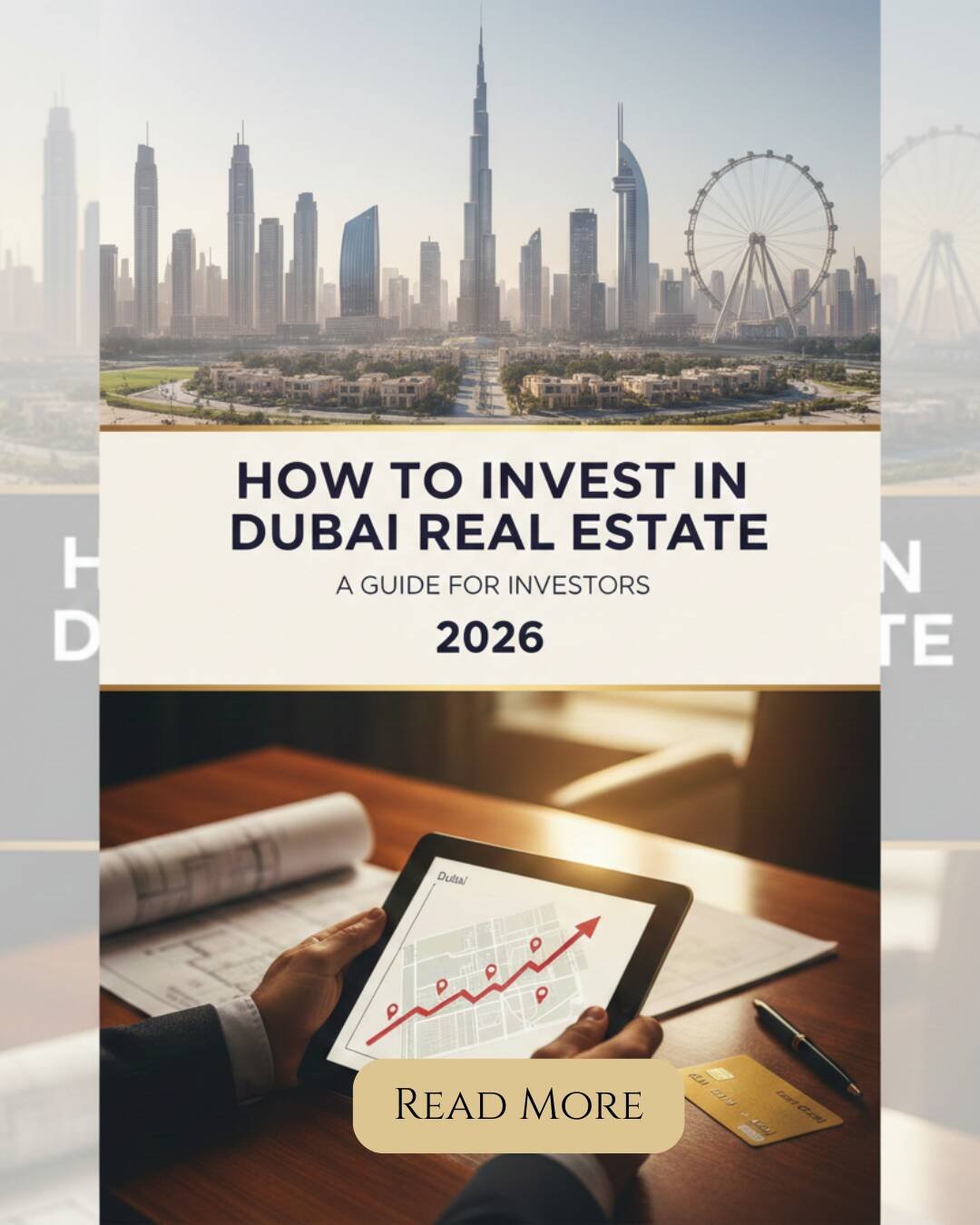
The Dubai real estate market has entered 2026 on the heels of a record-breaking half-decade of growth. With median prices per square foot reaching AED 1,403—a 10% increase over the previous year—and transaction volumes continuing to climb, the city remains a global magnet for capital. Whether you are a seasoned institutional buyer or a first-time investor exploring fractional ownership, this guide breaks down the 2026 landscape to help you navigate this dynamic market.
Why Dubai is Still Winning in 2026
Investors are drawn to Dubai for its unique combination of lifestyle appeal and a tax-efficient environment. Key benefits include:
• Zero Recurring Property Taxes: Unlike London or New York, Dubai imposes no annual property tax, no capital gains tax on resale, and no tax on rental income.
• High Rental Yields: While Western markets often struggle to provide 3-4%, Dubai’s affordable communities consistently deliver 8-9% gross yields.
• Currency Stability: The UAE Dirham is pegged to the US Dollar, providing a safe hedge against global market volatility.
• The Golden Visa: Investing at least AED 2 million qualifies you for a 10-year residency, providing long-term stability for you and your family.
Step 1: Choose Your Investment Model
In 2026, there are three primary ways to enter the market:
1. Off-Plan Properties (The Growth Play)
Buying property before or during construction is the preferred choice for those seeking capital appreciation.
• The Perk: You can lock in lower launch prices with flexible, construction-linked payment plans, often requiring only a 10-20% down payment.
• The Strategy: Focus on projects from “Tier 1” developers to minimize construction risk. In 2025, off-plan units saw capital appreciation of 15–25% between launch and handover.
2. Ready Properties (The Cash Flow Play)
Ready-to-move-in units are ideal if you want immediate rental income.
• The Perk: There is no construction risk, and you can inspect the final unit and community amenities before paying.
• The Strategy: Focus on “ready” units in established business hubs or family-centric communities to ensure high occupancy.
3. Fractional Ownership (The Budget-Friendly Play)
If you aren’t ready to buy a full apartment, DFSA-regulated platforms like Stake, SmartCrowd, and Deed allow you to invest in premium properties with as little as AED 500. These platforms provide monthly or quarterly dividends from rental income, making the market accessible to everyone.
Step 2: Target the Right Communities
Where you buy is just as important as what you buy. In 2026, the market is split into two distinct tiers:
• For Maximum Income (High Yields): Look toward affordable communities like International City (9.42% yield), Dubai Production City (9.29% yield), and Dubai Silicon Oasis (8.66% yield).
• For Maximum Appreciation (Capital Growth): Premium districts like Downtown Dubai, Dubai Creek Harbour, and Dubai Hills Estate offer lower yields (5-6%) but command much higher long-term value growth and better exit liquidity.
Step 3: Understand the Legal Safeguards
Dubai’s regulatory framework is designed to protect foreign investors, but you must follow the rules:
• Escrow Accounts: For off-plan buys, your money is legally required to go into a RERA-approved escrow account, which the developer can only access as construction milestones are met.
• Oqood (Interim Register): Ensure your off-plan contract is registered in the “Oqood” system to give you official legal recognition before the building is even finished.
• Freehold Ownership: Foreigners have full ownership rights (freehold) in over 40 designated areas across Dubai, allowing them to sell, rent, or pass the property to heirs.
Step 4: Budget for the “Hidden” Costs
While there is no annual tax, you must account for upfront transaction fees:
• DLD Transfer Fee: A one-time payment of 4% of the property value paid to the Dubai Land Department.
• Trustee Fees: Approximately AED 2,000 to AED 4,000 for administrative processing.
• Service Charges: These are annual recurring costs for building maintenance, typically ranging from AED 8 to AED 30 per square foot for apartments.
2026 Market Outlook: Is it Too Late?
The market is currently in a “late expansion” phase. This means that while growth continues, investors should be more selective. The “sold out in minutes” hype is a sign of euphoria; a smart 2026 strategy focuses on quality locations, proven developers, and sustainable rental income rather than just speculative flipping.
The Bottom Line: If your property can remain liquid and in demand even during a market correction, it is a sound investment for 2026